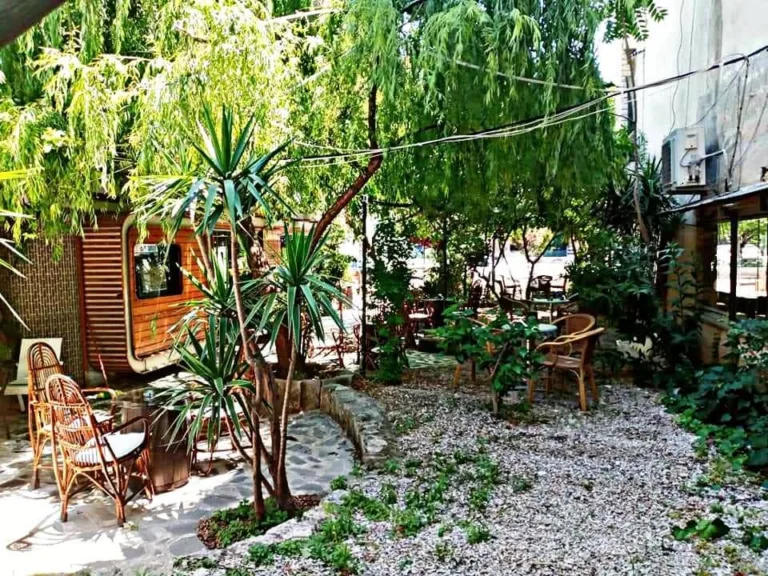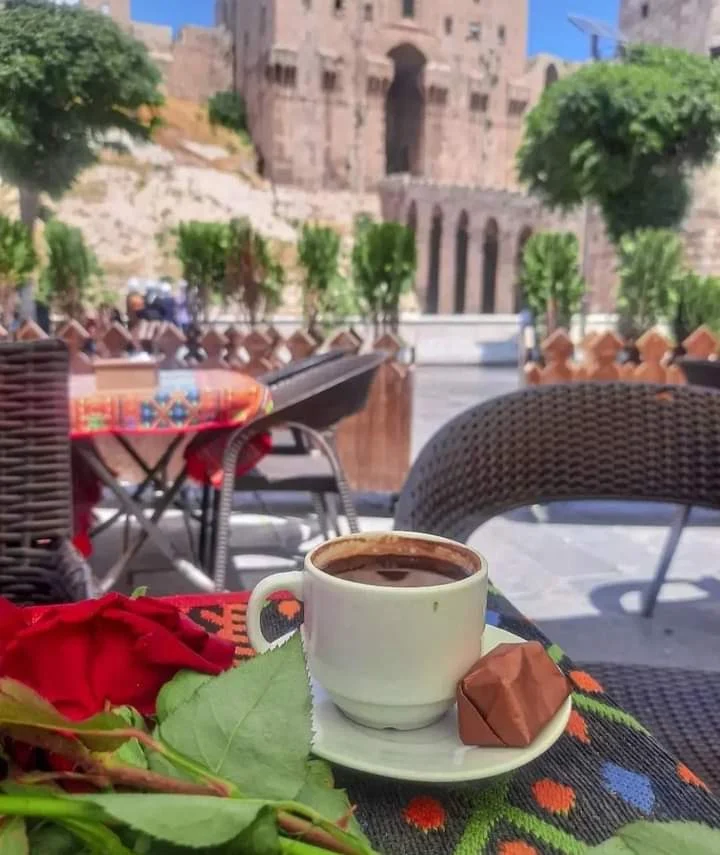
Homs is the geographical heart of Syria — the city where all roads meet and all directions converge. Any visit to Syria will pass through Homs, and that is reason enough to explore what its streets have to offer. This guide covers the street food of Homs: no reservations, no special venues, just the things you encounter walking through the city that make it one of Syria’s most rewarding food destinations.
Street Food and Savory Dishes
Falafel
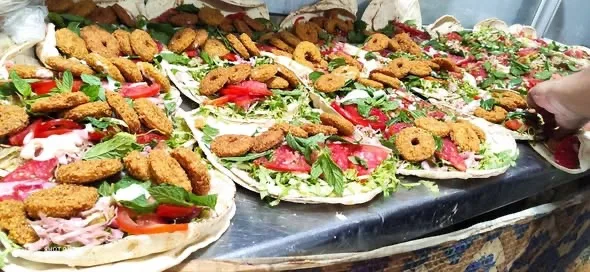
Falafel is the foundation of Syrian street food — found on virtually every street in every city, yet distinct from place to place. Each region adds its own character through spice blends and presentation, making the same base recipe taste noticeably different depending on where you eat it.
The core recipe is ground chickpeas mixed with garlic, herbs, and spices, shaped into small discs and deep-fried in very hot oil until they develop a crisp golden crust and a fluffy interior. The standard serving is a sandwich — several falafel pieces with fresh vegetables and a generous drizzle of tahini sauce, all wrapped in flatbread.
Falafel is also a naturally complete vegetarian meal, combining plant-based protein, fiber, and carbohydrates in a single handheld package. In Homs specifically, it is the default breakfast for workers, students, and anyone needing a fast, filling, and genuinely nutritious start to the day.
Do not pass through Homs without trying it.
Manaqeesh
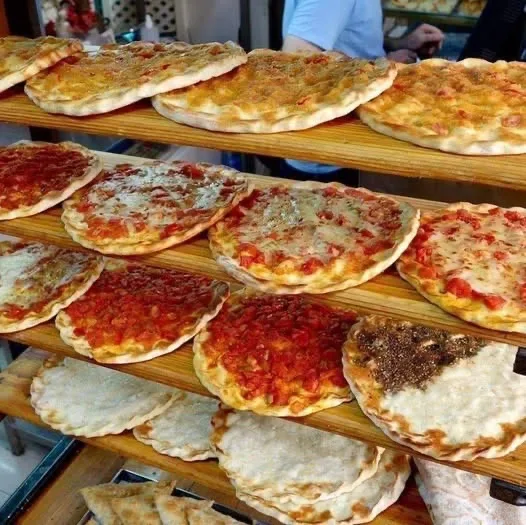
Manaqeesh (singular: man’ousheh) are a cornerstone of Levantine food culture, and Homs is widely considered one of the best cities in the region for them. Flatbread bakeries and saj griddles appear on nearly every corner, with small crowds gathered around them throughout the morning.
The format is simple: a round of dough is topped with the filling of your choice and baked in a stone oven or cooked on a domed metal saj griddle for a few minutes, then handed to you hot — very hot. The entire process takes under five minutes, which is why most bakeries operate under the motto “fataer ala al-tayer” — pastries on the fly.
Standard fillings include za’atar (wild thyme with olive oil), minced meat, muhammara (roasted red pepper paste), and cheese — but the range varies widely by baker and season. A skilled Homs baker might offer dozens of varieties. You may not remember all the names, but you will remember every flavor.
Hummus and Fatteh
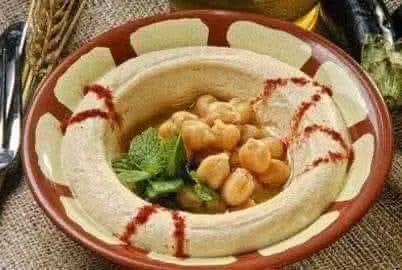
If one dish has carried Syrian culinary identity to the rest of the world, it is hummus — and Syria is where it reaches its finest form. Known locally as hummus naem (smooth hummus) or msabbaha, it is made from slow-cooked chickpeas blended with generous amounts of tahini, garlic, and spices until the texture is completely smooth and creamy. A drizzle of olive oil finishes it simply and perfectly.
Hummus is almost always served alongside falafel, but it also forms the base of more elaborate dishes — most notably fatteh. Fatteh layers hummus with dry toasted flatbread and tops it with badawa: a sauce of thinned hummus mixed with lemon, garlic, tahini, and a splash of cooking liquid from the chickpeas. The whole dish is finished tableside with a pour of clarified butter and fried nuts. It is one of the most deeply satisfying things you can eat in Syria — though not a light meal by any measure.
In Homs, hummus and fatteh shops are a neighborhood institution. Abu Shamso in the old market is the most legendary, but nearly every district has its own beloved spot.
Sweets and Desserts
Al-Maghtouta
Al-Maghtouta is a Homs original — a traditional breakfast dish that has been the fuel of early-rising workers and students in this city for generations, and one that you simply cannot find anywhere else.
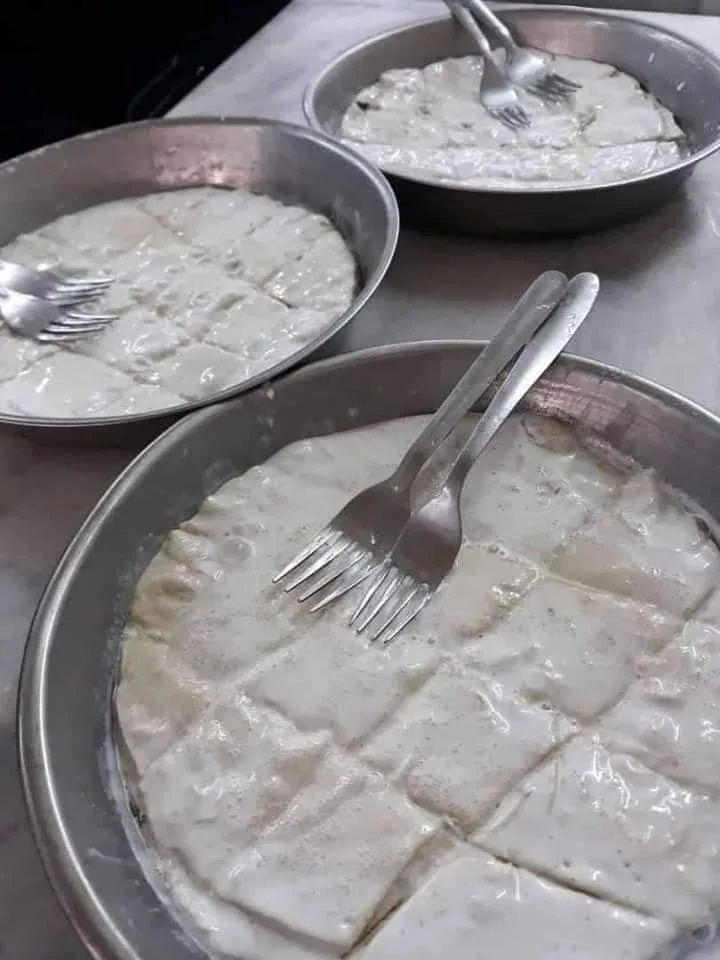
The preparation begins the night before: rounds of tanour flatbread are submerged in cold full-fat milk spread across wide trays, left overnight to absorb the liquid and develop a thick, rich cream on the surface. In the morning the soaked bread is cut into pieces, sweetened with sugar or honey, and served as a breakfast that is simultaneously comforting, indulgent, and deeply local.
Al-Maghtouta is only available in the early morning hours — it does not keep — and finding it requires going to a dedicated shop. The most famous is Al-Jalbaji in Homs. It is worth seeking out specifically.
Shu’aybiyyat
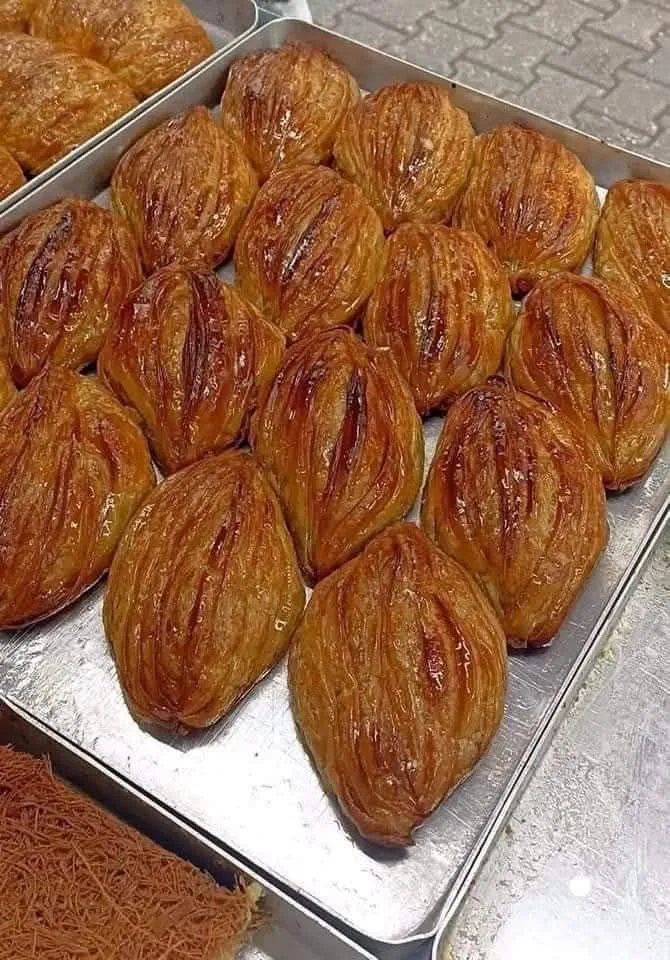
Shu’aybiyyat are among the most underrated sweets in Syrian cuisine — criminally overlooked given how exceptional they taste. The pastry consists of crisp, paper-thin layers of dough filled with either clotted cream (qishta) or nuts, then drenched in sugar syrup (qater) that keeps the filling moist while maintaining the crunch of the outer layers.
While the Idlib-style version is better known internationally, Homs shu’aybiyyat have a flavor profile of their own. They are available at most sweet shops throughout the city, with varying fillings and shapes depending on the maker. Abu al-Laban is one of the most respected shops for them in Homs.
Homs Halawa – Al-Qurmushli
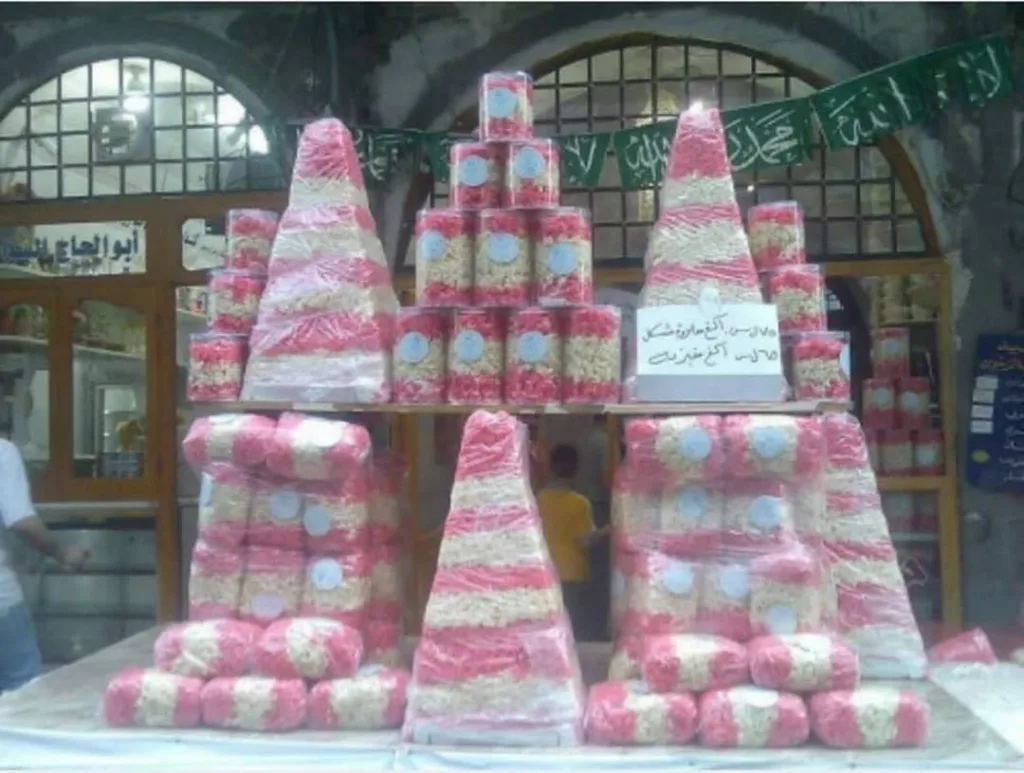
Walking through Homs near a sweet shop, you will notice large mounds of two-toned confection — white and red — piled high in the display. This is Homs Halawa, also called halawa khubziyya (bread-based halawa) or al-qurmushli — a light fried sweet unique to this city.
The preparation is straightforward: a light dough is fried until crisp, then fully submerged in thick sugar syrup, which seals in the crunch and the flavor simultaneously. The result is a sweet that stays crisp, travels well, and keeps for a long time without losing its character.
While Homs Halawa is available year-round, its peak season is Khamis al-Halawa — the Thursday before Palm Sunday — when sweet shops across the city including Al-Qurmushli, Al-Bashmina, and Balat Jahannam display enormous quantities of the red-and-white confection as part of a local tradition tied to the Christian calendar.
It makes an ideal gift to take home from Homs: lightweight, affordable, long-lasting, and entirely distinctive. Do not leave the city without trying it.
A final note for visitors to Homs: you are in a city known above all for its warmth and generosity. Every dish here is made with genuine care. Do not hesitate to try something unfamiliar — everything in this city is worth experiencing, from the dialect to the food.