Homs sits in the heart of Syria on the Orontes River, the country’s third-largest city and the junction between the coast and the interior, the north and the south. Known in antiquity as Emesa, it produced Roman emperors, and today it is known for an unusual mix of ruins, shrines and country cooking — and for a sense of humour that has made its people the subject of jokes across the Levant. Here is what Homs is famous for.
The Khalid ibn al-Walid Mosque
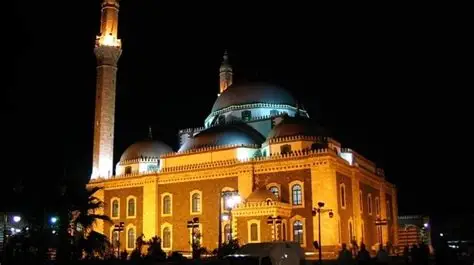
The Khalid ibn al-Walid Mosque is the best-known landmark in Homs and holds the tomb of the companion Khalid ibn al-Walid, who died in the city in 642 CE. The present mosque was built in Ottoman style in the early twentieth century and is distinguished by its nine domes, its black-and-white ablaq stonework and two slender minarets. It has undergone extensive restoration after being damaged.
Krak des Chevaliers
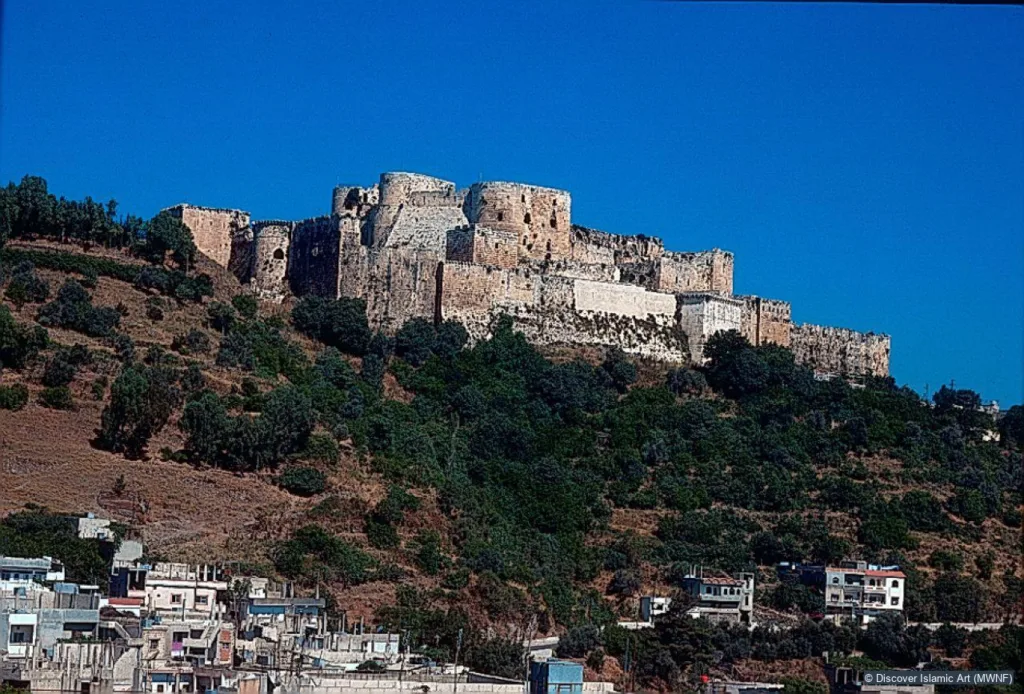
About 60 km west of Homs stands Krak des Chevaliers, the most famous Crusader castle in the world and a UNESCO World Heritage Site. Built by the Knights Hospitaller in the twelfth century on a hilltop 650 metres high, it has two concentric walls, thirteen towers, a knights’ hall, a chapel and stables for hundreds of horses. Sultan Baybars took it in 1271, and it remains in excellent condition — one of the finest things to visit anywhere in Syria.
Palmyra: the bride of the desert
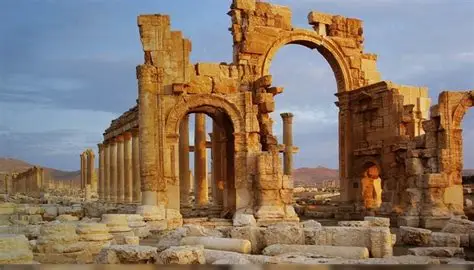
The ancient city of Palmyra falls administratively within Homs governorate and is one of the most important archaeological sites in the world. It is known for its long colonnaded street, the Temple of Bel, the triumphal arch, the Roman theatre and the tower tombs — and for the story of Queen Zenobia, who defied Rome. Despite the destruction it suffered, Palmyra remains an essential destination for anyone who cares about history, alongside the Fakhr al-Din al-Maani castle looking down on it from the hill.
Note that Palmyra requires a separate security permit arranged from Damascus and is visited as part of an organised tour — see our Syria visa guide for the detail on internal permits.
The Church of Umm al-Zennar
The Church of Umm al-Zennar is among the oldest churches in the world, with foundations dating to 59 CE, and is the seat of the Syriac Orthodox archdiocese in Homs. It is famous for holding the Virgin Mary’s girdle, found in 1953 inside a vessel in the altar, and major religious celebrations are held there every year.
The covered souq and the Old City
The covered souq of old Homs contains the goldsmiths’ souq, the silk souq, the women’s souq, Khan al-Amir and Hammam al-Basha. Around it lie the old quarters — Bab al-Dreib, Bab Hud, Bab al-Sibaa, Al-Hamidiyah and Bustan al-Diwan — known for houses built from the black basalt stone that is characteristic of the city.
The food and sweets Homs is famous for
- Halawet al-jibn: Homs is famous for soft cheese halawa with clotted cream, from the shops on Al-Hamidiyah and Al-Dablan streets.
- Znoud al-sitt and baklava: znoud al-sitt is among the best-known sweets of the city.
- Homsi kibbeh: especially saj kibbeh and tray kibbeh.
- Homsi potatoes: the plate of fried potatoes with coriander and garlic that carries the city’s name across Syria.
- Fuul and hummus: the best fuul breakfast in Syria is said to be served in Homs.
- Homsi cheese: one of the well-known white cheeses.
The humour of Homs and “Wednesday”
The people of Homs are associated with jokes and quick wit across the Levant, and the saying goes that “the people of Homs go mad on Wednesday”. The story traces back to a popular tale in which the city’s inhabitants feigned madness on a Wednesday to save it from an invading army. It has since become an annual celebration — the Homsi Wednesday Feast — when people dress up in strange costumes and trade jokes.
Nature around Homs
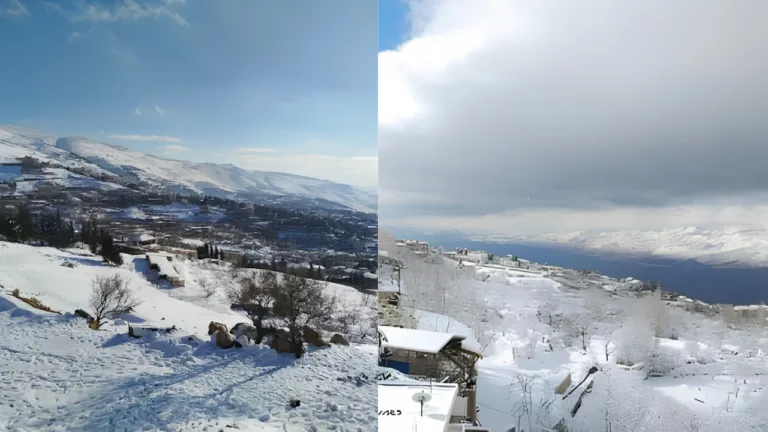
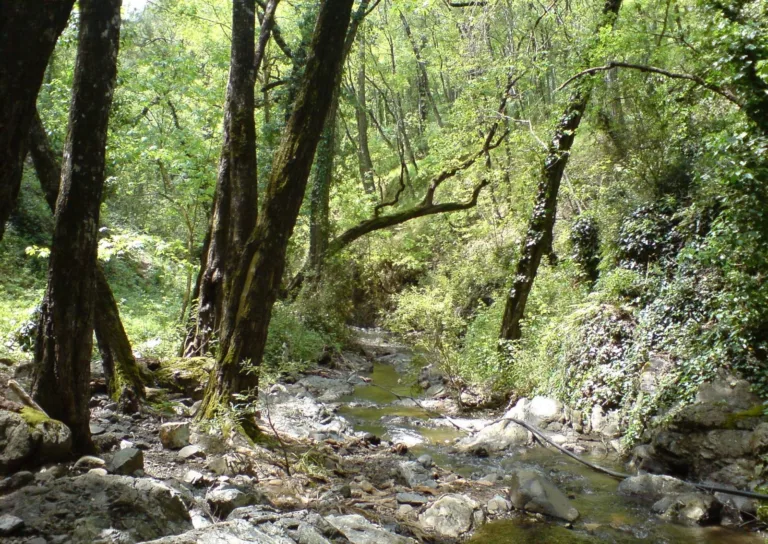
Homs has the mildest climate of the inland cities thanks to the Homs Gap, the geographic opening that lets the Mediterranean breeze through. Around it lie Lake Qattinah (Lake Homs), whose dam dates back to the Roman period, and the green Valley of the Christians (Wadi al-Nasara) with dozens of villages and monasteries such as Mar Georges al-Humayra, plus the mountain town of Masyaf with its Ismaili castle.
Tips for visiting Homs
- Use Homs as a base for day trips to Krak des Chevaliers, Wadi al-Nasara and Palmyra.
- Visit the Khalid ibn al-Walid Mosque and the Church of Umm al-Zennar on the same day — they are close together.
- Do not leave without trying halawet al-jibn on Al-Hamidiyah Street.
Frequently asked questions about Homs
What is Homs famous for?
Homs is famous for the Khalid ibn al-Walid Mosque, Krak des Chevaliers, Palmyra, the Church of Umm al-Zennar, halawet al-jibn, and the humour of its people.
Why is Homs called the city of black stone?
Because most of its old buildings are built from the black basalt stone found in the volcanic area around it.
Is Krak des Chevaliers worth visiting?
Yes. It is a UNESCO World Heritage Site, the best-preserved Crusader castle in the world, and about an hour west of Homs.
Can you visit Palmyra from Homs?
Palmyra is administratively part of Homs governorate, but visits require a separate security permit arranged from Damascus and are made with an organised tour.
What food is Homs known for?
Halawet al-jibn, znoud al-sitt, saj kibbeh, the famous Homsi fried potatoes with coriander and garlic, and a celebrated fuul breakfast.
Plan your visit
Continue with the top travel destinations in Homs, the best places in the Homs countryside, and where to eat in Homs.