When people think of tourism in Syria, the Syrian coast comes to mind first — and Tartus in particular, a city that covers every direction a visit might take: ancient history, Mediterranean beaches, island day trips, seafood, and a waterfront that is genuinely worth lingering on.
Coastal Tourism
Nothing replaces the sea when the goal is rest and renewal. The Mediterranean at Tartus — its unending waves, its warm sand, its salt air — delivers that before you have even found a place to sit. Here is where to direct your time.
Arwad Island: The Living Museum
The first and most distinctive destination in Tartus is Arwad Island — a few kilometers offshore from the Tartus waterfront, reached by small wooden boats that have been making this crossing since the Phoenician era. The island is called al-Zira by its residents, a soft local contraction that fits the place’s character perfectly.
Arwad is one of the oldest continuously inhabited islands in the world. Its stone alleys, small fortress, and historic buildings have changed remarkably little over centuries. The island’s identity is inseparable from the sea: traditional fishing boats are built and repaired here, shell crafts and maritime handwork are sold throughout the narrow lanes, and the seafood restaurants along the shore serve fish prepared by people whose families have been fishing this water for generations. A meal on Arwad is among the most memorable food experiences on the Syrian coast.
What makes Arwad work as a destination is its balance — close enough to reach easily from Tartus, isolated enough to have preserved a culture and atmosphere entirely its own. It is where the full depth of the Mediterranean coast, from the ancient Phoenician heritage to the living fishing tradition, becomes tangible in a single afternoon.
Old Tartus: Where History Meets the Waterfront
Back on the mainland, the old city of Tartus offers a similar historical atmosphere at street level — sandstone buildings with sea-facing windows, narrow lanes worn smooth by centuries of use, and a scale that makes it easy to walk through without a plan.
The anchor of the old city is the Tartus Cathedral Museum — a 12th-century Crusader church converted into a museum and positioned directly on the coastal corniche. Its collection contains artifacts from the region’s layered history, compressed into a space that feels, from the outside, like it was placed here by the sea itself. Entry takes less than an hour; the impression lasts considerably longer.
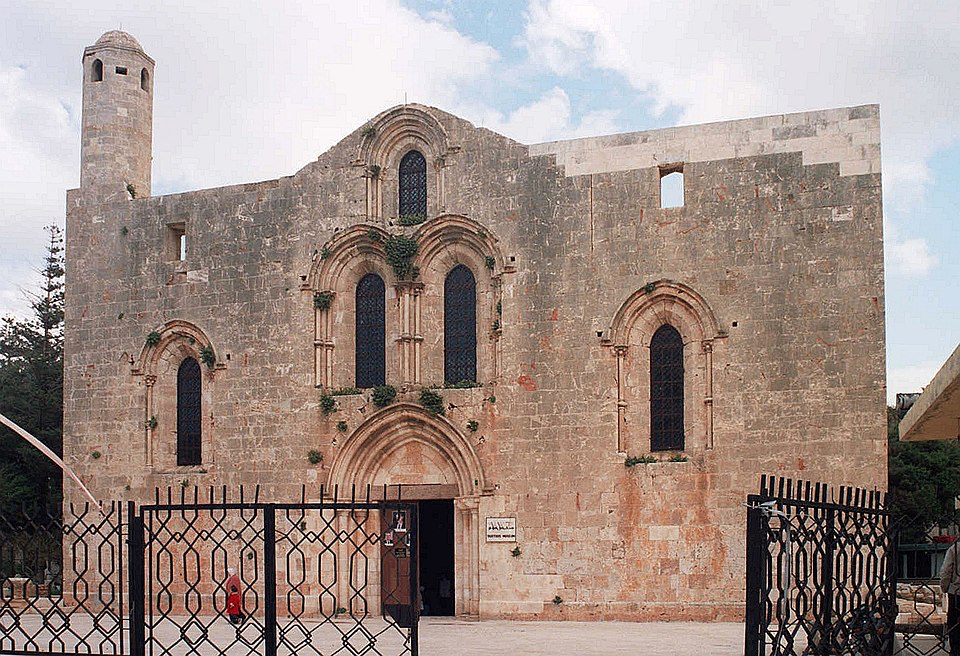
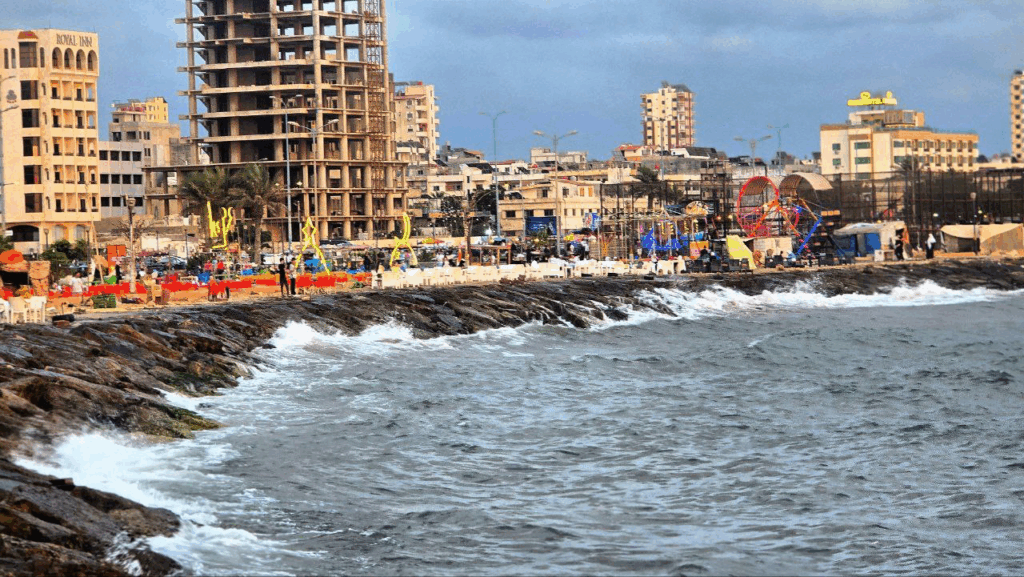
Stepping out of the museum, the transition is immediate: the tourist corniche begins just outside, with hundreds of restaurants, cafés, and daily maritime activities running along the shore. The evening hours here are particularly good — sea breezes off the Mediterranean, the sound of waves breaking against the rocks, and a waterfront that fills naturally with people every night of the summer season.
Beaches and Swimming in Tartus
Tartus has beaches for every preference and budget, distributed along the coastline from the city center outward in both directions.
Al-Ahlam Beach (Dreams Beach) sits directly south of the corniche, opposite Arwad Island — a sandy, well-attended beach that draws most of the city’s residents during summer and stays active around the clock at the height of the season.
Approximately 10 km north of the city lies Golden Sands Beach (Shatt al-Rimal al-Dhahabiyya) — a stretch of fine golden sand where the coastal mountains press close to the water, creating a setting unlike the city beaches. The combination of mountain backdrop and Mediterranean sea makes this one of the most photogenic stretches of the Syrian coast. It is accessible and affordable, and busy with visitors throughout the summer months.
Between these two anchor points, hundreds of beach facilities at varying price levels line the shore — private clubs, open beaches, and resort pools — making Tartus one of the most accessible coastal destinations in Syria regardless of budget.
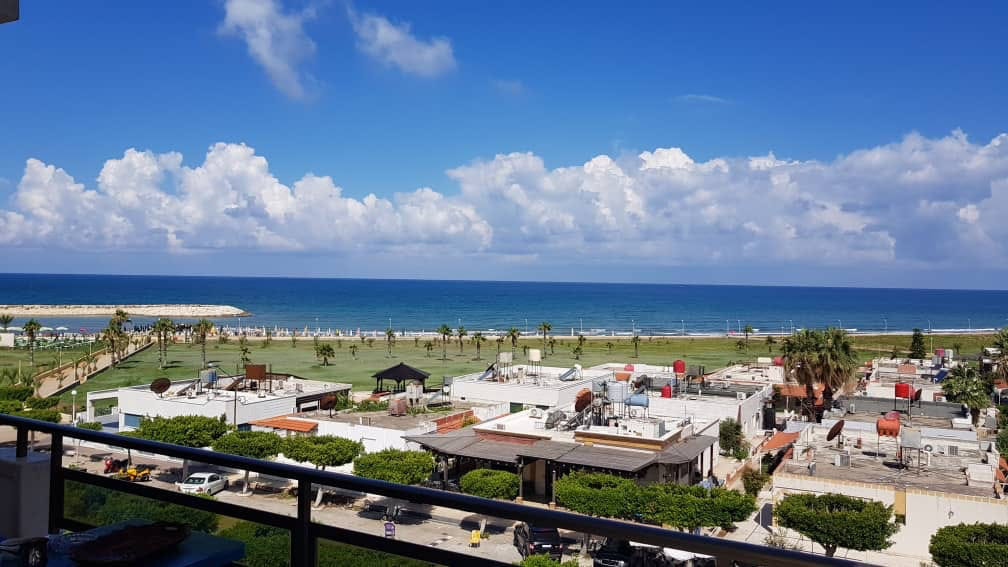
Tartus has a mild climate for most of the year, which means there is rarely a wrong time to visit. The ideal window for beach tourism runs from May through November, when the sea temperature and weather conditions are at their best — though each season brings its own quality to the city’s waterfront character.