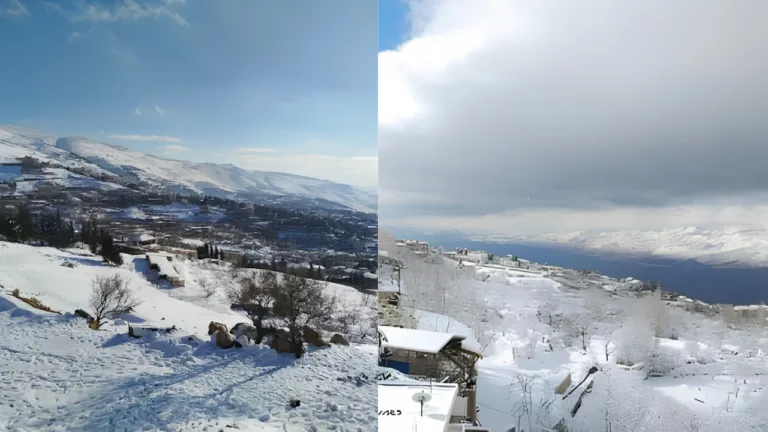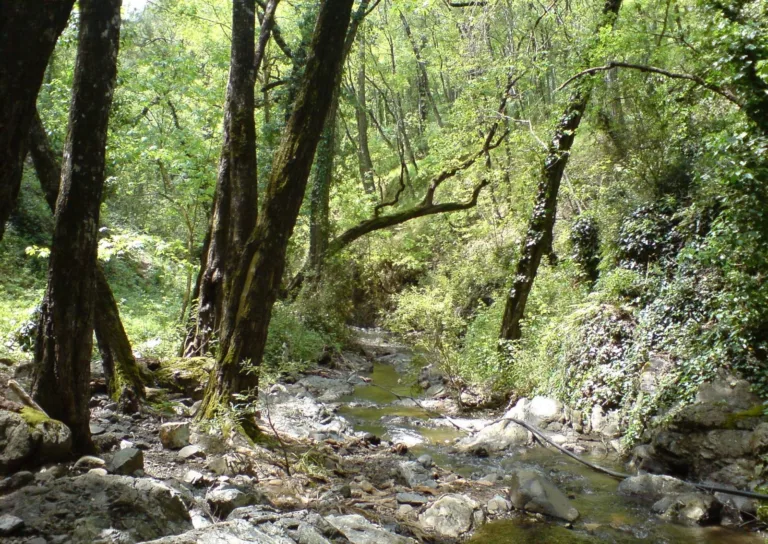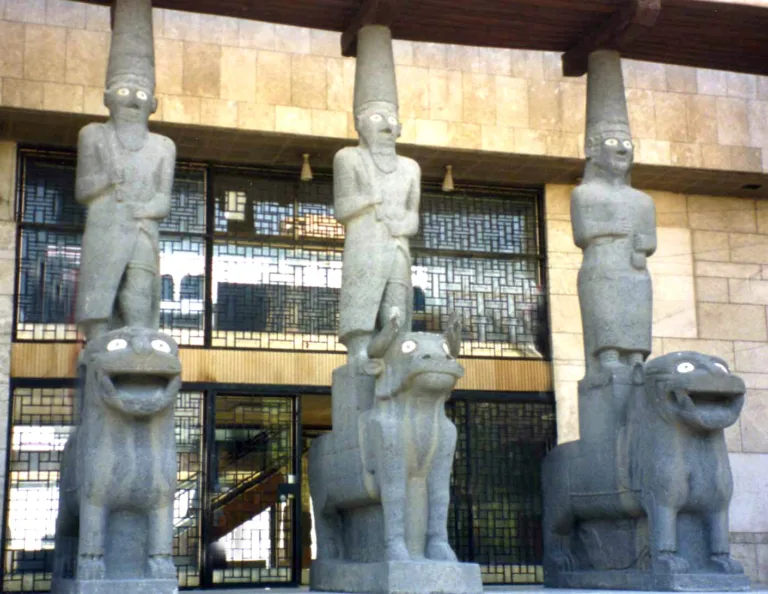
Idlib Governorate is one of Syria’s most varied and underexplored destinations — a region where Roman ruins, wild springs, sulfur baths, and mountain viewpoints share the same landscape. Today’s journey covers four distinct natural and historical sites across Idlib, all connected by the Orontes River and the region’s remarkable geography.
Darkush
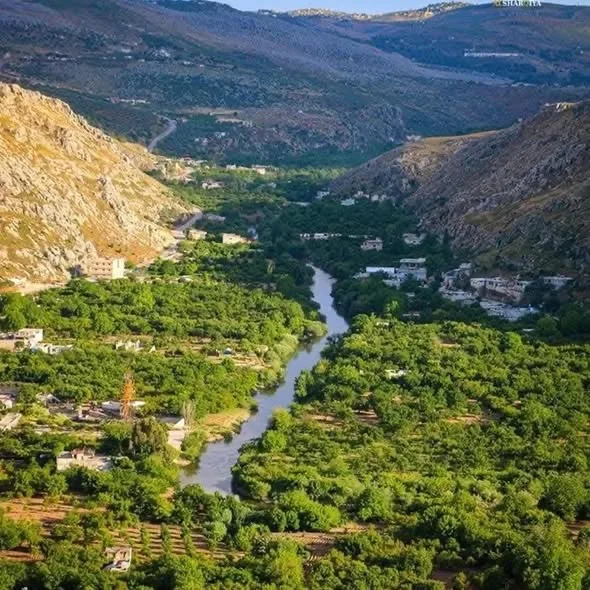
Darkush is a small town on the Syrian-Turkish border in Idlib Governorate, and one of the most distinctive natural destinations in the region. Its setting — wedged between two close-facing mountains through which the Orontes River flows — gives it a microclimate and a character unlike anywhere else in northwestern Syria. The town sits at only around 100 meters above sea level, but its geography creates an enclosed, lush valley that draws visitors year-round.
The defining experience of Darkush is the riverfront: dozens of restaurants and rest stops line the banks of the Orontes, ranging from simple shaded seating areas to fully serviced dining establishments. Visitors can fish directly from the river — some restaurants will prepare your catch on the spot — and small wooden boats are available for short river trips through the valley, creating an atmosphere locals have compared to a modest Syrian Venice, with houses and gardens pressing right up to the water’s edge.
Ain al-Zarqa Spring
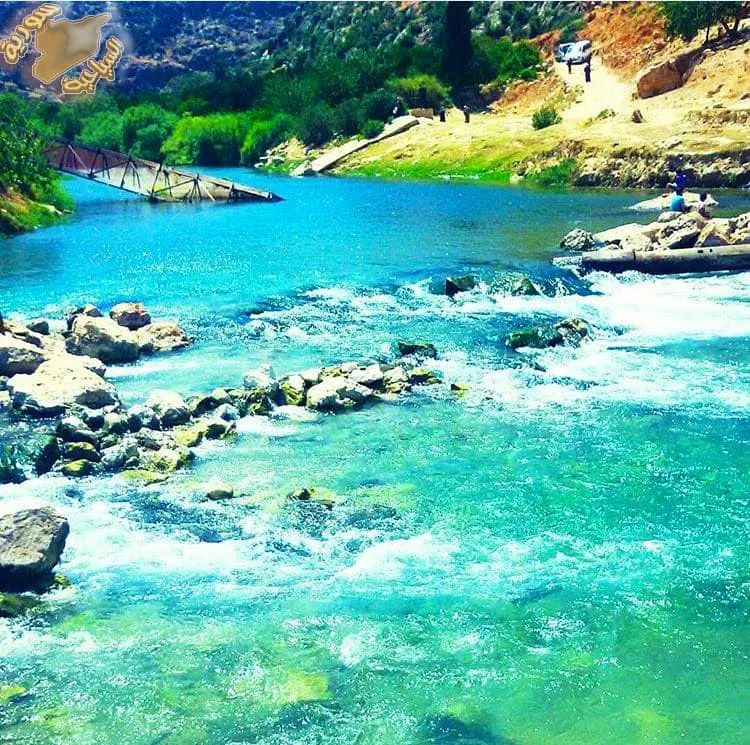
Ain al-Zarqa (the Blue Spring) is one of the most abundant freshwater springs feeding the Orontes River, located within the Darkush area. The spring gushes with a volume and clarity that has made it the primary swimming destination for residents of Idlib Governorate — known locally as Idlib’s little sea.
The water flows with impressive force, channeling directly into the Orontes and continuing its journey toward the Mediterranean. The setting is especially beautiful in spring and summer, when the surrounding vegetation is at its fullest and the cool water provides relief from the regional heat. Swimming here, in a natural spring in the middle of an agricultural valley, is an experience worth planning around.
Hammam Sheikh Issa
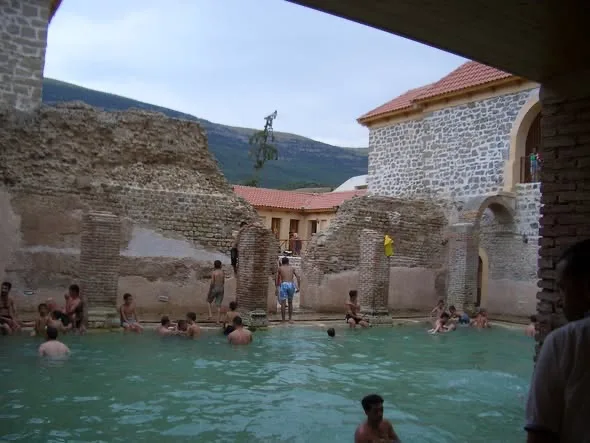
Located approximately 10 km north of Jisr al-Shughour, Hammam Sheikh Issa is one of the most remarkable and least-known sites in Idlib — a place where hot sulfuric springs, natural waterfalls, and Roman-era ruins occupy the same ground.
The thermal waters here have documented therapeutic properties for a range of skin conditions and ailments, confirmed through research conducted by the Faculty of Medicine at the University of Aleppo. But the history of this site as a healing destination goes considerably further back: the presence of Roman-era ruins, including a stone-vaulted sulfur pool built as a covered bathing structure, is evidence that the therapeutic value of these waters was recognized and developed over two thousand years ago.
The site currently lacks developed tourism infrastructure, which makes it raw and undiscovered in the best sense. It is well-suited for a day visit or camping nearby. For anyone interested in thermal springs, Roman archaeology, or simply untouched natural settings, Hammam Sheikh Issa is a genuinely worthwhile stop.
Jabal al-Arbaeen – Ariha
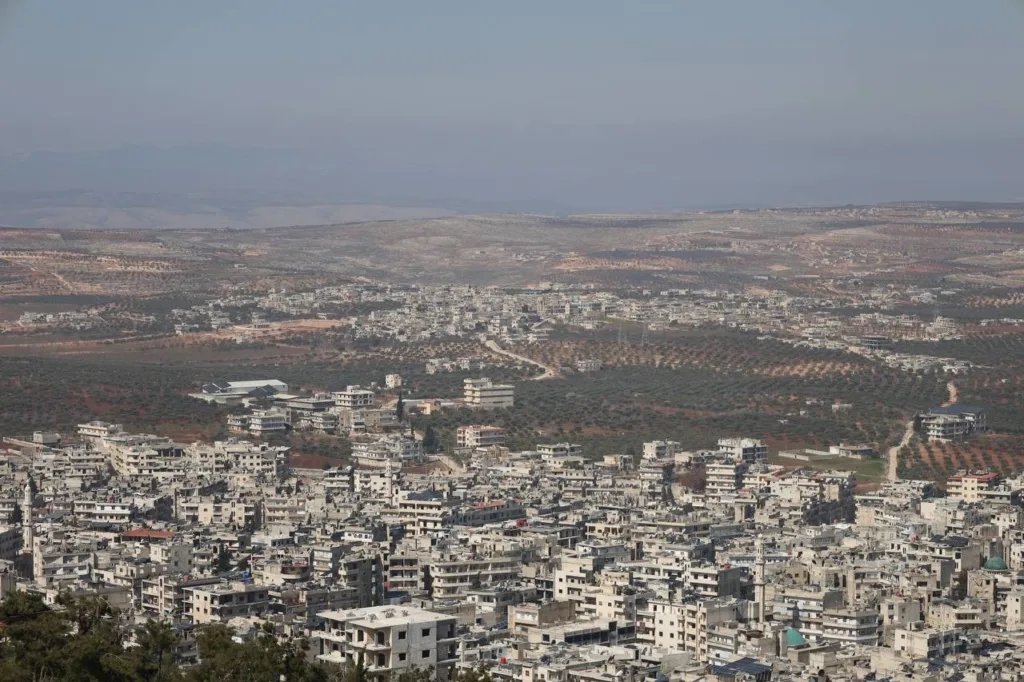
Jabal al-Arbaeen (Mountain of the Forty) is the most popular tourism destination in Idlib Governorate and a landmark recognizable to anyone who has traveled the M4 highway between Aleppo and Latakia — one of the most scenic roads in Syria. The mountain rises directly above the city of Ariha, offering a panoramic view of the city and the surrounding plain that draws visitors even on short stops.
At approximately 800 meters above sea level, the mountain maintains noticeably cooler temperatures than the surrounding lowlands throughout the year — a difference that becomes significant during Syria’s hot summers, making Jabal al-Arbaeen the go-to destination for evening outings and night air in the region.
Tourism activity has been returning to the mountain recently, signaling a gradual revival of its services and hospitality options. If you are passing between Aleppo and Latakia or planning a visit to Idlib, set aside a few hours for the mountain — and make a point of trying the Ariha-style shu’aybiyyat, a local pastry variation that has its own devoted following.
Idlib cannot be reduced to a short list. Every village in the governorate holds something worth seeing — extraordinary natural landscapes and a density of historical sites that most visitors have barely begun to discover. Give it more time whenever you have the chance.