Latakia, Syria is the country’s main seaside city, set at the northern end of the coast: a corniche raised above the Mediterranean, long sandy beaches, a national museum in a former caravanserai and, a few kilometres out of town, the ancient site of Ugarit. These five places give a good sense of the city and its shoreline.
The sea and the city: the coastline of Latakia, Syria
The south corniche
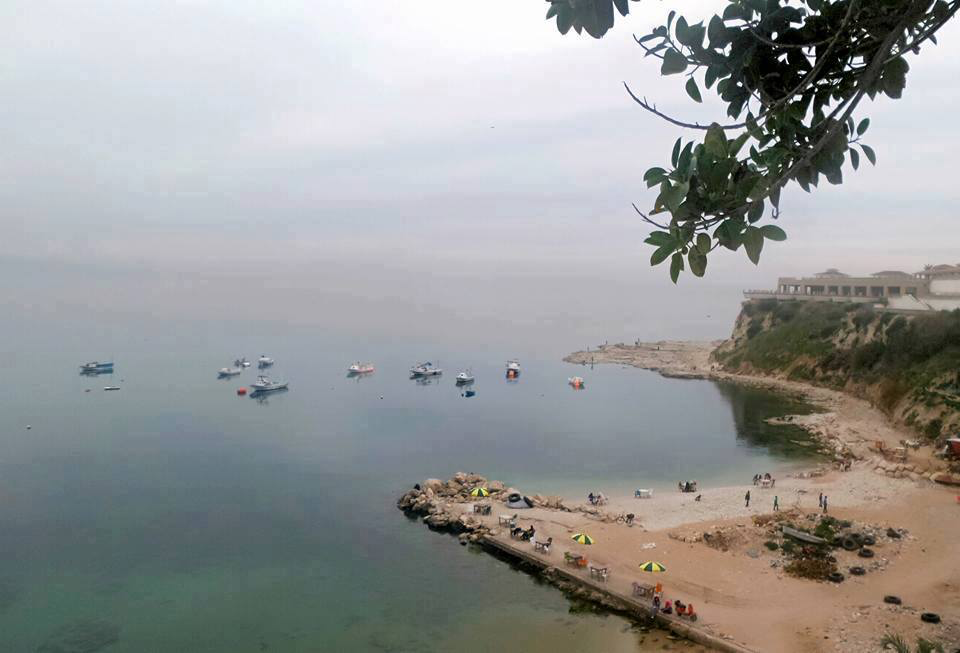
At the southern edge of the city the road climbs a little and the sea appears between the tall buildings.
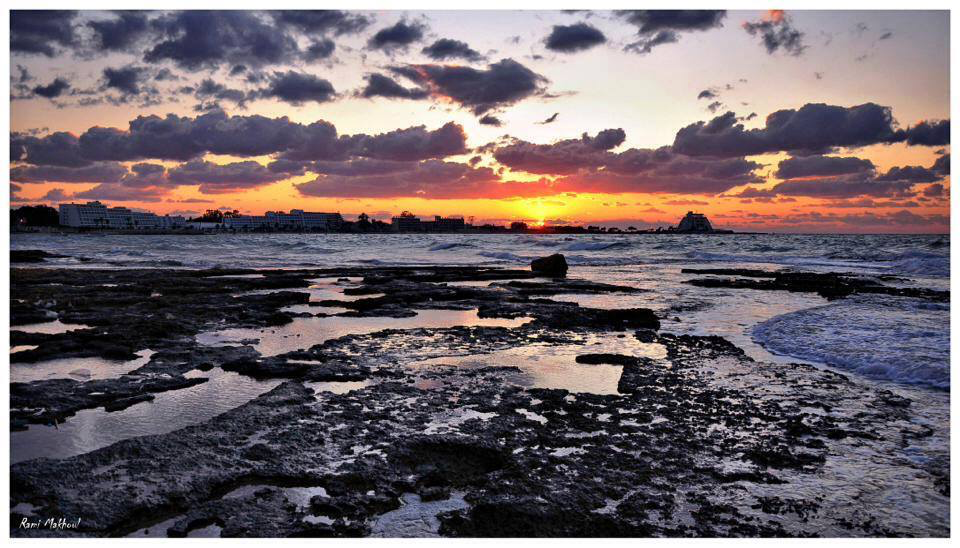
Even if you are used to the sea, the view from the high point of the south corniche comes as a surprise. The corniche sits on a headland that pushes out into the water, which is what makes the panorama so wide: ahead of you the sea runs to the horizon with nothing to interrupt it.
Stand on the rocky cliff above the corniche and, to your left, one of the finest sandy beaches in Syria stretches away. The sea draws a sandy arc along the public pool (Masbah al-Shaab), wraps around the southern side of the city and rises gradually to its high point at Suicide Rock. In the small bay this forms sits Mina al-Qasab, the harbour that shelters the small fishing boats when the sea turns. To your right and straight ahead is the blue of the Mediterranean; behind you, Latakia runs downhill towards the water.
Activity spreads along the whole length of the corniche and shifts with the season and the weather, from simple reed-shaded seating set right at the water’s edge to the more expensive restaurants that trade on the view.
A visit to the city is not really complete without a walk along the south corniche.
The Sports City
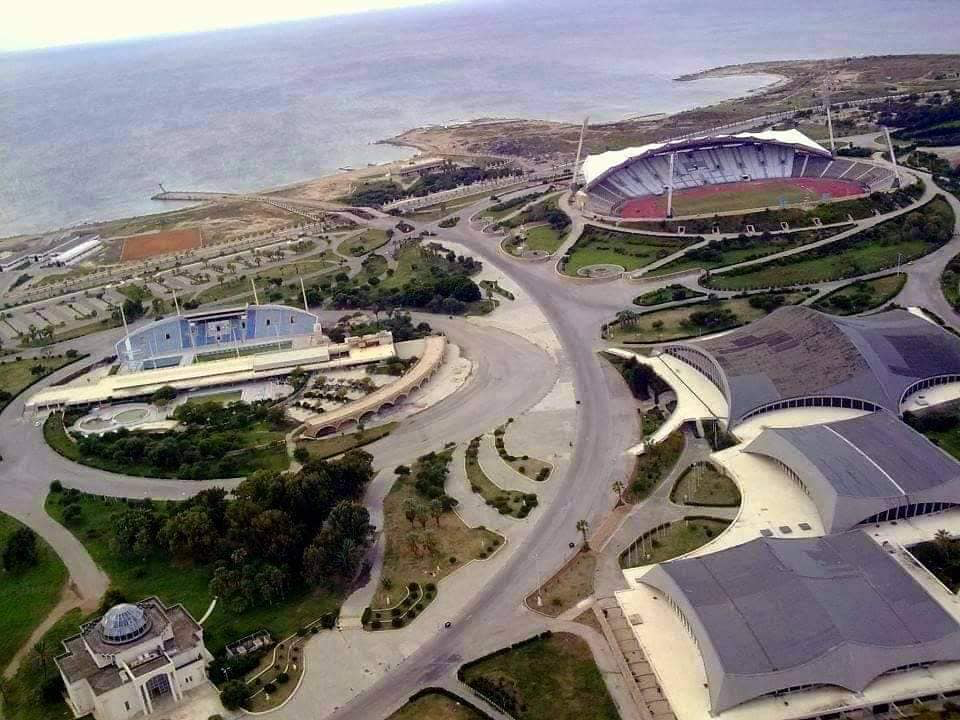
It is a sports complex first of all, but its position on the shore north of the city and its large green spaces have made it a destination in its own right.
Latakia’s Sports City has grounds for more or less every discipline and wide lawns to walk on, away from the noise of the city. Do not let that distract you from its beach: the water here is a clear turquoise, and the energy coming off the pitches makes you want to swim at this spot rather than another.
The Sports City also takes in a riding club and a horse-racing track laid out right at the sea’s edge — worth seeing at least once.
The Blue Beach
North of the city, on a well-defined headland, is the best-known beach in Latakia and probably in all of Syria: the Blue Beach (al-Shati al-Azraq).
Hundreds of chalets of widely different sizes and standards line the shore and let you settle in as close to the water as you like.
There are plenty of services and things going on, but it is the quality of the sand and the water that makes swimming at the Blue Beach genuinely good.
History and the city
The National Museum of Latakia
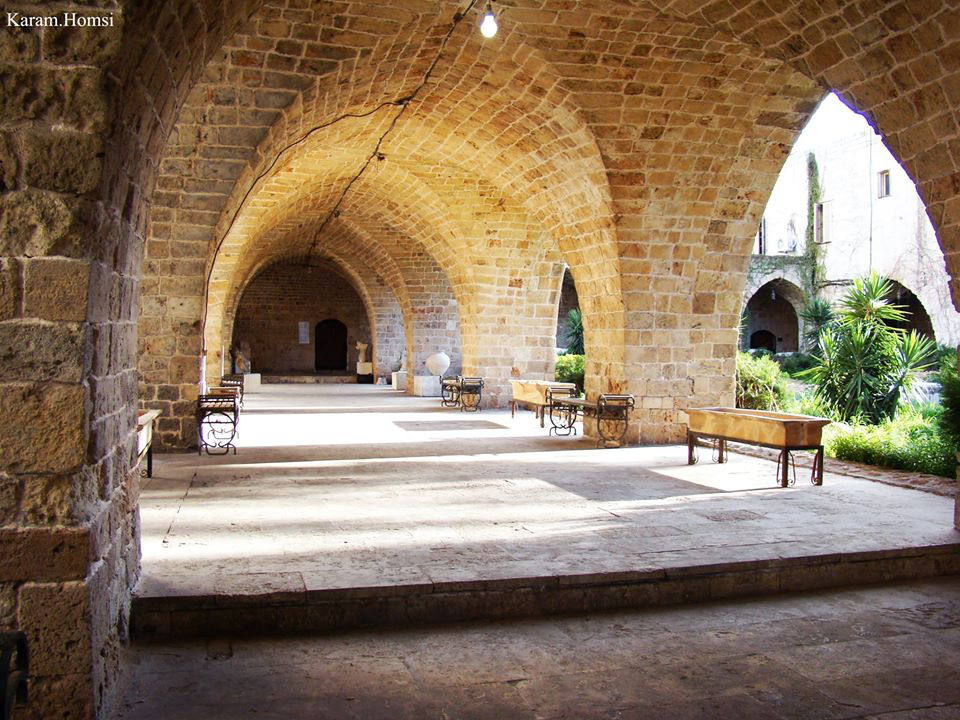
In the middle of town, next to the al-Batrani garden and its enormous trees, the National Museum of Latakia sits inside a garden of its own — a pocket of green in the centre of the city.
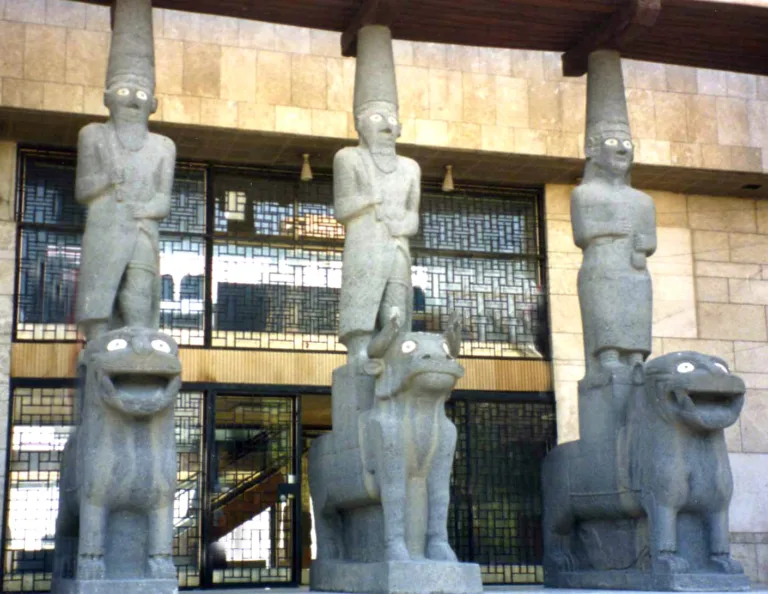
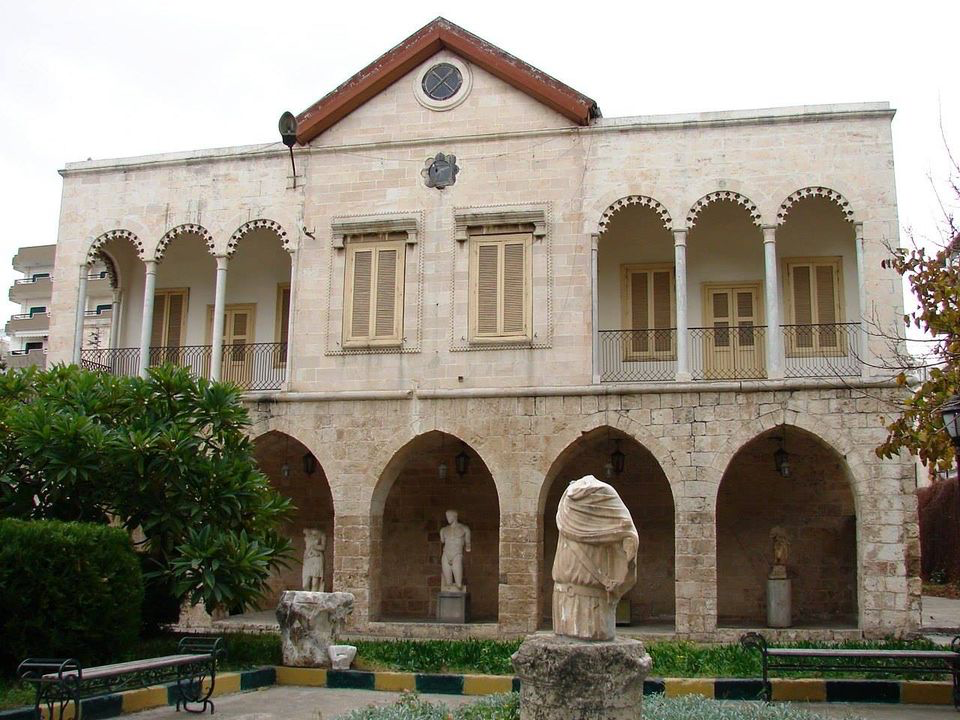
The museum is made up of a wide garden and a two-storey historic building that was once called Khan al-Dukhan, the tobacco caravanserai. It later became the residence of the French governor, and ended up holding thousands of archaeological pieces. Statues line the outer gallery, under the arches, and run through the history of the region from its beginnings.
Inside there are six stone halls, each displaying objects and finds belonging to a different period in the city’s past. The museum’s large garden also produced finds during excavation.
The museum is a good stop for anyone interested in history, and a pleasant green space in the centre of town for everyone else. It is well worth the visit.
Ras Shamra — Ugarit
On Latakia’s northern shoulder, directly on the shore, lies the ancient city of Ugarit: the birthplace of the alphabet and the site where the oldest known piece of musical notation in the world was found. Arriving at Ras Shamra, the coastal landscape does much of the work — it feels like a setting out of legend.
This forgotten city, buried close to the shoreline, was once a centre of life and of trade between cities. Phoenician ships set out from here across the Mediterranean as far as Carthage, and it was here that the world’s first alphabet was invented. Clay tablets documenting some of the earliest commercial transactions between the peoples of the region and the wider world were also found among its remains.
Visiting Ugarit means recognising what its people gave the rest of us: writing, trade and music. To carry on along the coast, Tartus and Arwad island are further south, and the finds from Ugarit continue in the great museums of Syria.