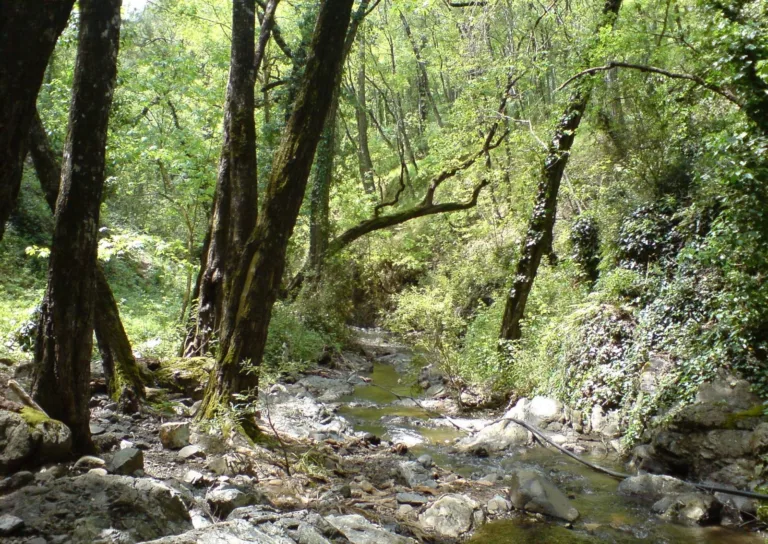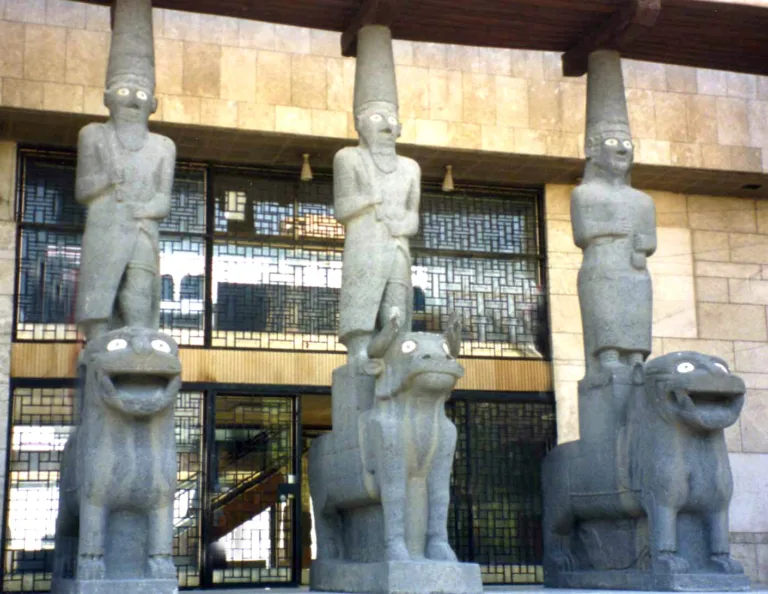
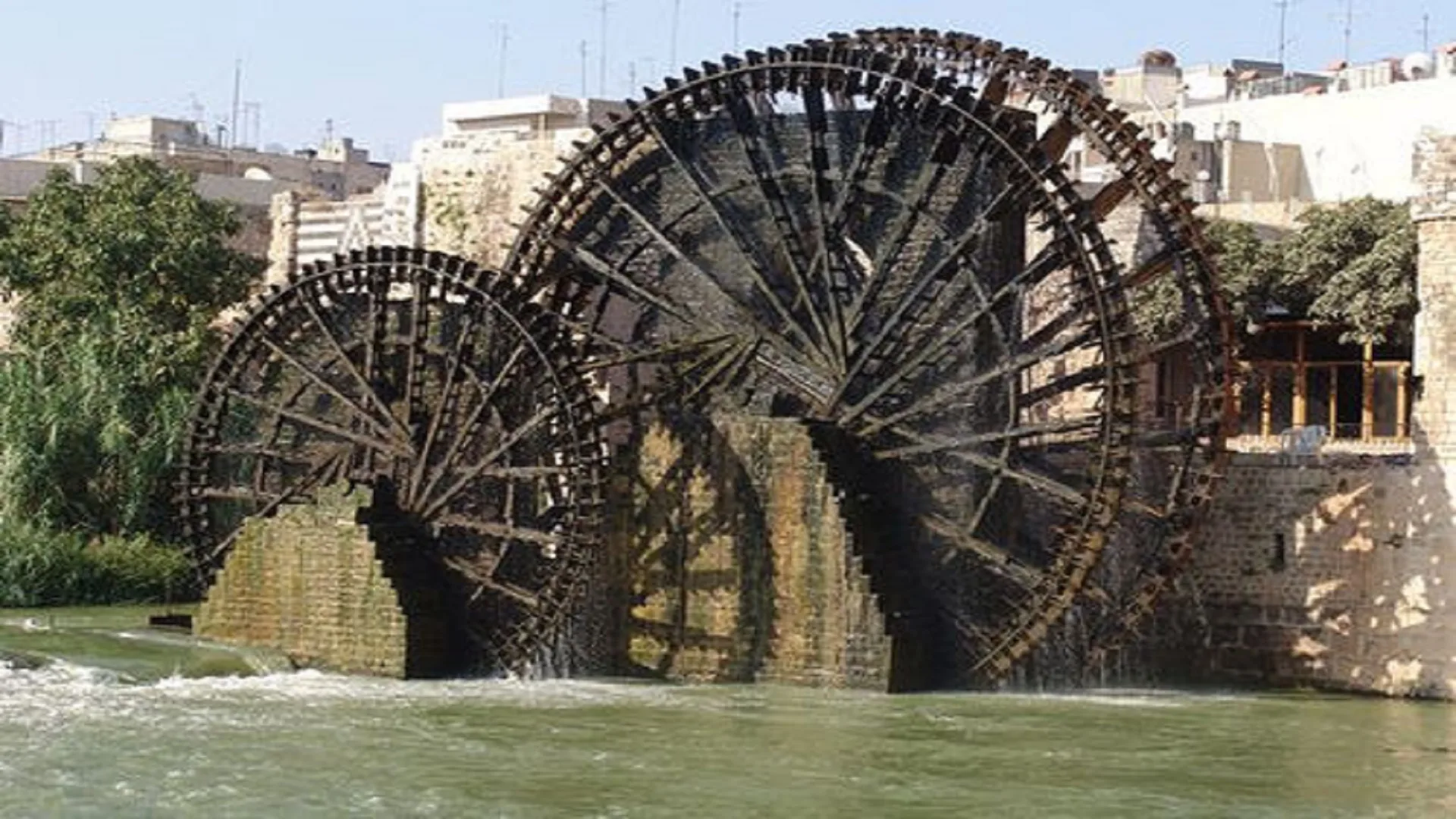
Hama is the city of the norias — the giant wooden wheels that have turned on the Orontes for centuries, giving off a groan that is part of the city’s identity. It lies 45 km north of Homs, and is known for its calm, its gardens stretching along the riverbank, and a rich archaeological hinterland running from Apamea to Shayzar to Qasr Ibn Wardan. This guide covers what Hama is famous for.
The norias of Hama: the symbol of the city
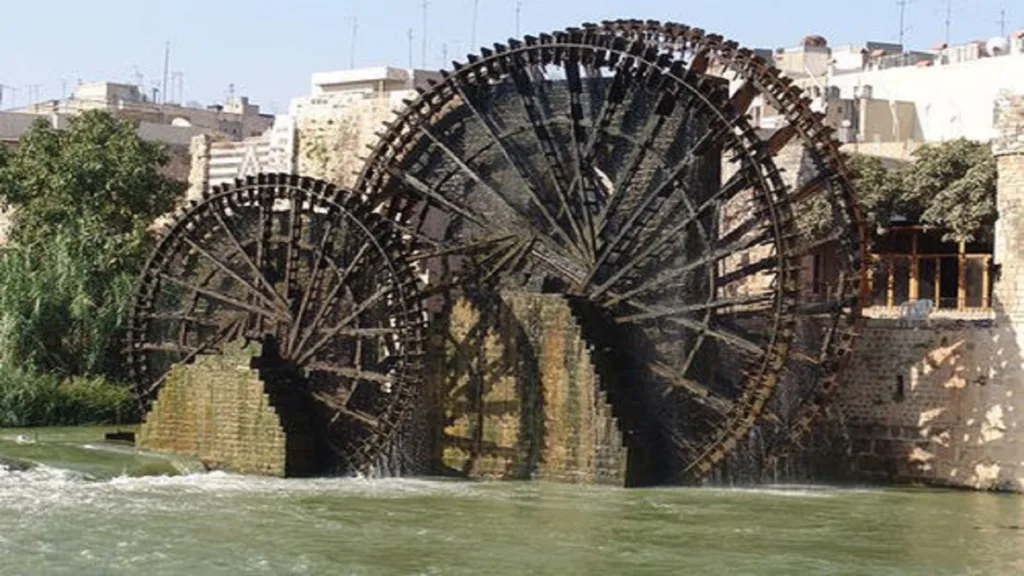
The norias are by far the best-known thing in Hama: enormous wooden wheels that lift the water of the Orontes into raised aqueducts to irrigate orchards and feed mosques and bathhouses. Around 17 survive in the city. The most famous is Al-Muhammadiyah, 21 metres in diameter and the largest in the world, alongside the Al-Arbaa (Al-Bishriyat), Al-Jaabariyah, Al-Mamouriyah and Al-Othmaniyah wheels. The oldest date to the Byzantine period, and the norias of Hama are on the tentative list for World Heritage status. At sunset, the sound of their groaning and the spray of the water becomes something close to magical.
Azm Palace in Hama
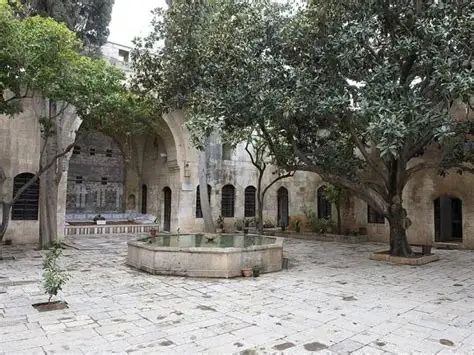
Built by As’ad Pasha al-Azm in 1742 while he was governor of Hama — before he moved to Damascus and built the more famous palace there. The Hama palace is among the loveliest Ottoman residences in Syria, with its inner courtyard, its trees and its carved decoration, and today it houses the National Museum of Popular Traditions.
The Great Mosque and the Nuri Mosque
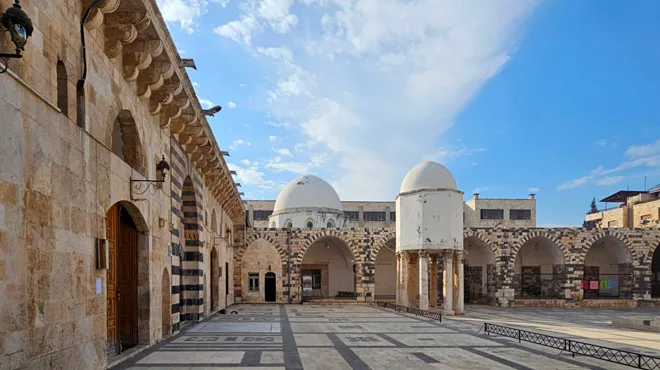
The Great Mosque (Al-Jami al-Aala) is one of the oldest mosques in Syria, built over the site of a temple and then a Byzantine church, and fully rebuilt after being damaged. The Nuri Mosque was built by Nur al-Din Zengi in 1163 on the bank of the Orontes and is known for its wooden minbar and Kufic inscriptions.
Apamea: the longest colonnaded street
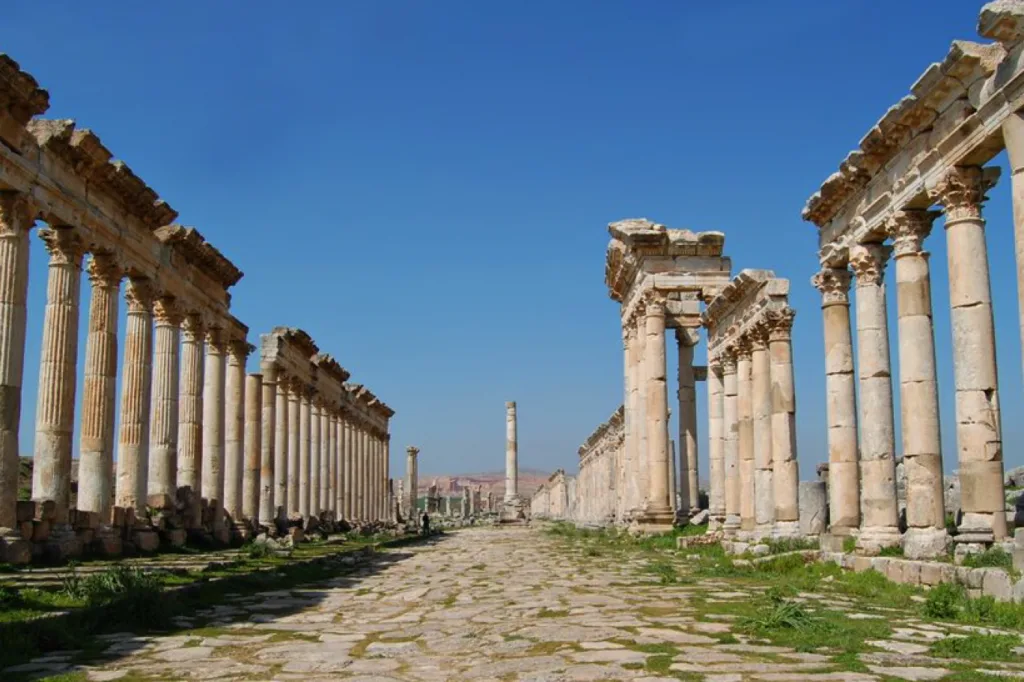
Fifty-five kilometres north-west of Hama lies the ancient city of Apamea, founded by Seleucus Nicator in the fourth century BC. It is famous for a colonnaded street running about two kilometres — the longest in the Roman world — for a theatre that ranks among the largest Roman theatres, and for the Qalaat al-Mudiq citadel overlooking the Ghab plain.
Shayzar Castle and Qasr Ibn Wardan
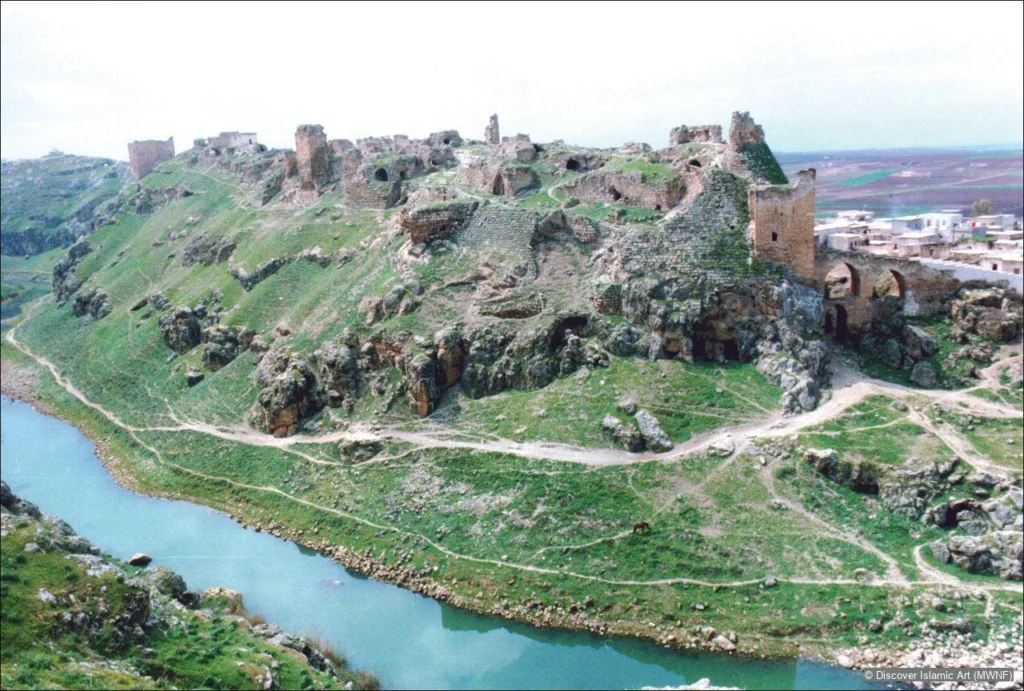
Shayzar Castle stands on the banks of the Orontes north of Hama and is the birthplace of the knight-prince Usama ibn Munqidh, author of the Book of Contemplation. Qasr Ibn Wardan is a Byzantine gem in the eastern steppe of Hama, built in 564 CE from brick and basalt in the manner of Constantinople.
Hama’s halawet al-jibn

Although Homs competes for the title, many consider Hama’s halawet al-jibn — with clotted cream, syrup and pistachio — the best in Syria. The shops on Al-Alamein Street and in the Al-Hadir quarter are known for it. Hama is also famous for shuaibiyat, qatayef and its own style of baklava.
The Hama kitchen
- Hama kibbeh: the city is known for tray kibbeh, labaniyya kibbeh and saj kibbeh.
- Mahashi and sheikh al-mahshi courgettes: banquet dishes of Hama.
- Malihi and shakriyeh: meat cooked in yoghurt.
- Hama bread: thin markouk bread baked on the saj.
- Awameh and zalabia: popular local sweets.
Traditional crafts
Hama is known for embroidered fabrics and the black Hama abayas embroidered with gold and silver thread, for hand-weaving on traditional looms in the Kilaniyeh quarter, and for the building of the wooden norias themselves, a craft passed down within a handful of families.
Nature around Hama
Hama is surrounded by the orchards of the Orontes and the fertile Ghab plain, with Masyaf and the coastal mountains to the west and historic Salamiyah to the east, plus Hammam al-Hara and the Umm al-Hassan gardens overlooking the river. The city is known for its public gardens along the Orontes, such as Al-Sharia and Umm al-Hassan.
Tips for visiting Hama
- The best time to see the norias is spring and summer, when the river is high and the wheels turn at full strength.
- Walk the riverbank from the Al-Muhammadiyah noria to the Al-Arbaa wheels at sunset.
- Set aside a day for Apamea, Qalaat al-Mudiq and the Ghab plain.
Frequently asked questions about Hama
What is Hama famous for?
Hama is famous for its wooden norias on the Orontes River, Azm Palace, Apamea, Shayzar Castle, halawet al-jibn and its embroidered abayas.
How many norias are there in Hama?
Around 17 remain in the city. The largest is Al-Muhammadiyah, 21 metres in diameter and the biggest in the world.
What is a noria?
A noria is a large wooden wheel that lifts river water into raised aqueducts to irrigate orchards and supply mosques and bathhouses. The oldest in Hama date to the Byzantine period.
Is Apamea worth visiting from Hama?
Yes. It is 55 km north-west of Hama and has the longest colonnaded street in the Roman world, plus one of its largest theatres — an easy day trip.
When is the best time to visit Hama?
Spring and summer, when the Orontes runs high and the norias turn at full strength.
Plan your visit
Continue with the best tourist attractions in Hama, find a room in the best hotels in Hama, and eat well with the best restaurants in Hama.