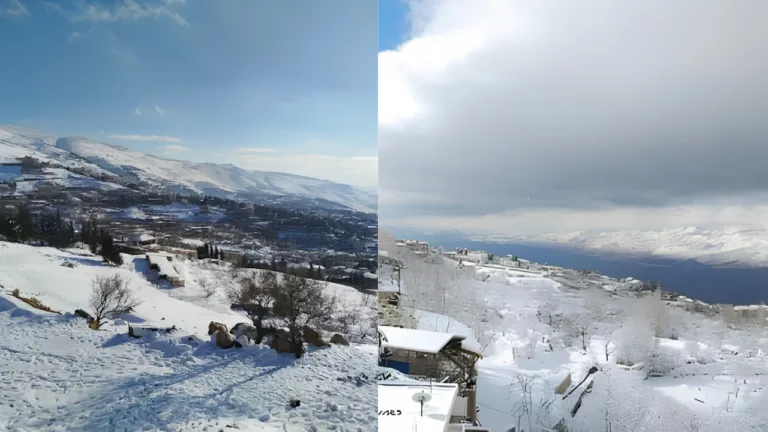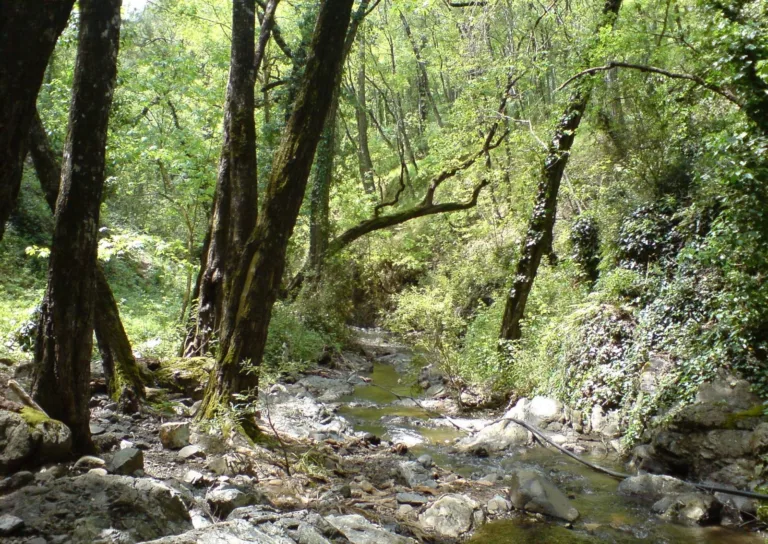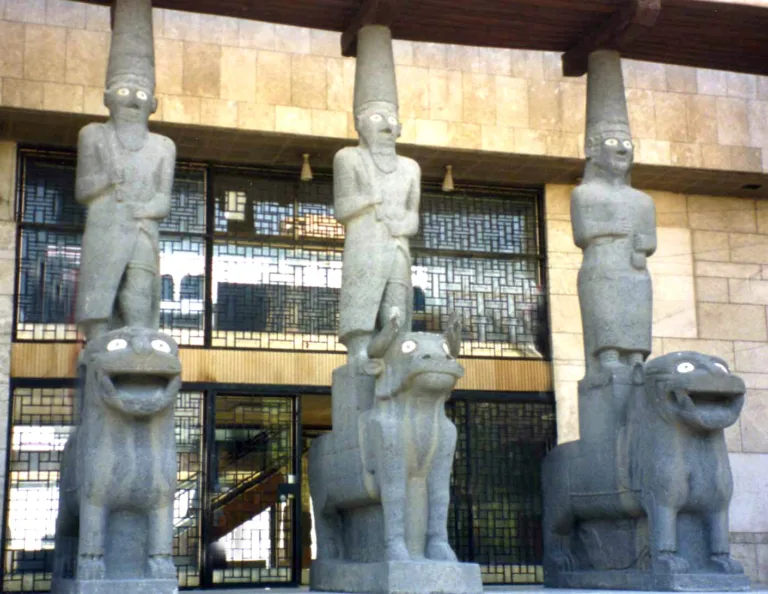
Aleppo, Syria — al-Shahbaa, as Syrians call it — is the city its own people describe as the mother of cities, and one of the oldest continuously inhabited places on earth, Damascus’s only real rival for that title. For centuries Aleppo was a main stop on the Silk Road and a trading centre between east and west, which is why it became a city of markets, caravanserais, crafts and long-settled cooking. This article runs through what Aleppo is famous for, and what there is to see, eat and buy when you go.
The Citadel of Aleppo: Icon of the City
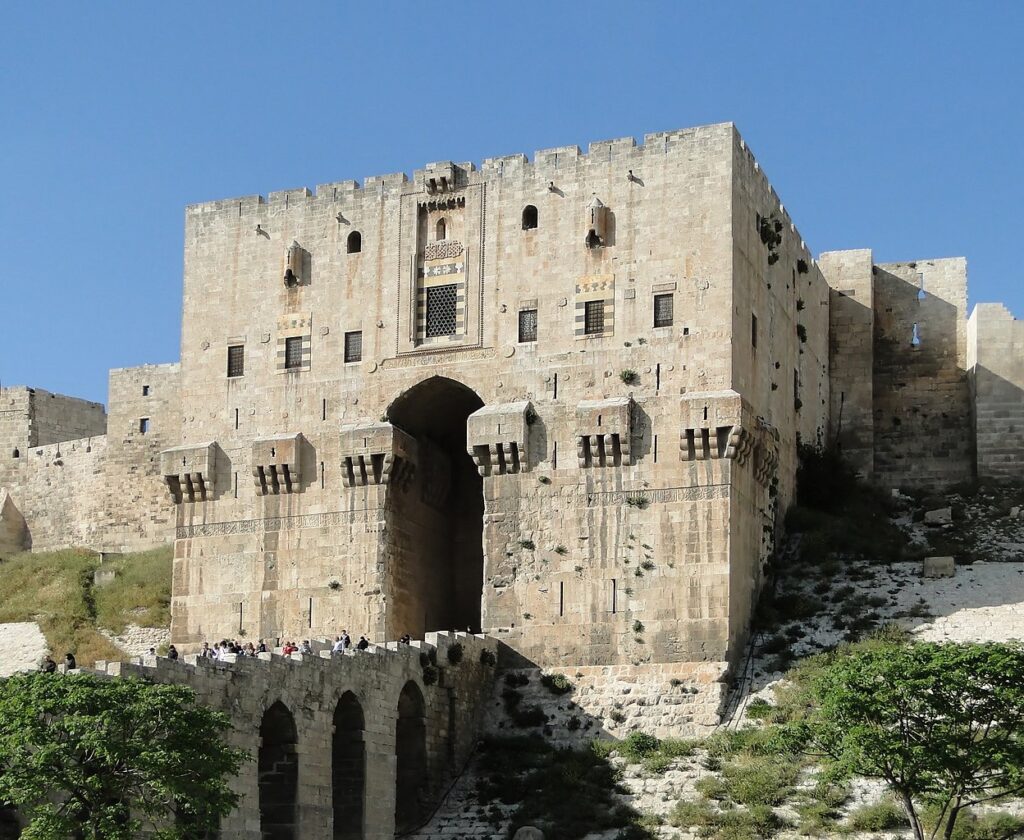
The citadel sits on a natural mound rising about 50 metres in the middle of the old city, and is one of the largest and oldest castles in the world. The mound itself goes back to the third millennium BC, while the castle took its present shape in the Ayyubid period under al-Malik al-Zahir Ghazi. Its enormous entrance is known for the stone bridge and the bent gateways, and inside are the throne hall, the baths, the mosques and the remains of a temple to the storm god Hadad. From the top of the walls you can see the whole of Aleppo.
The Covered Souks and Khans of Aleppo
Aleppo’s old markets are the longest covered souks in the world, around 13 kilometres end to end, branching into specialised sections: Souq al-Zarb, the herbalists’ souk, the soap souk, the women’s souk, the silk souk and the gold souk. Between them stand the great khans — Khan al-Wazir, Khan al-Jumruk and Khan al-Saboun — which used to take in the caravans and the foreign merchants. The souks have been through extensive restoration in recent years and large parts of them have reopened.
The Great Umayyad Mosque of Aleppo
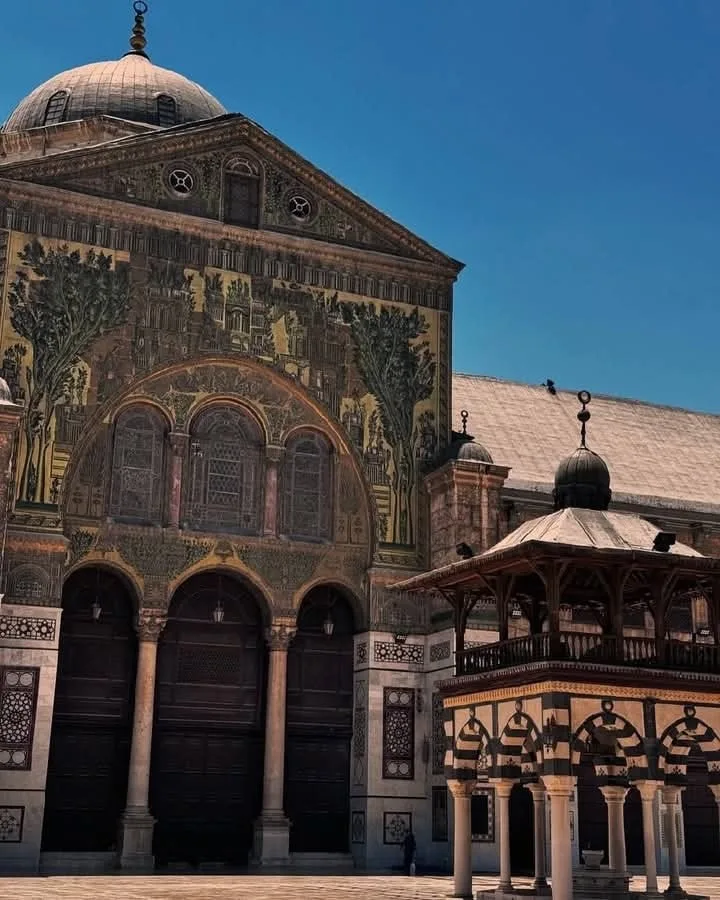
The Great Umayyad Mosque of Aleppo was built in the reign of the Caliph Sulayman ibn Abd al-Malik. It is known for its celebrated Seljuk minaret, counted among the masterpieces of Islamic architecture, and for the shrine of the Prophet Zechariah. Next to it stand the Halawiyya Madrasa and the city souk.
Aleppo Soap
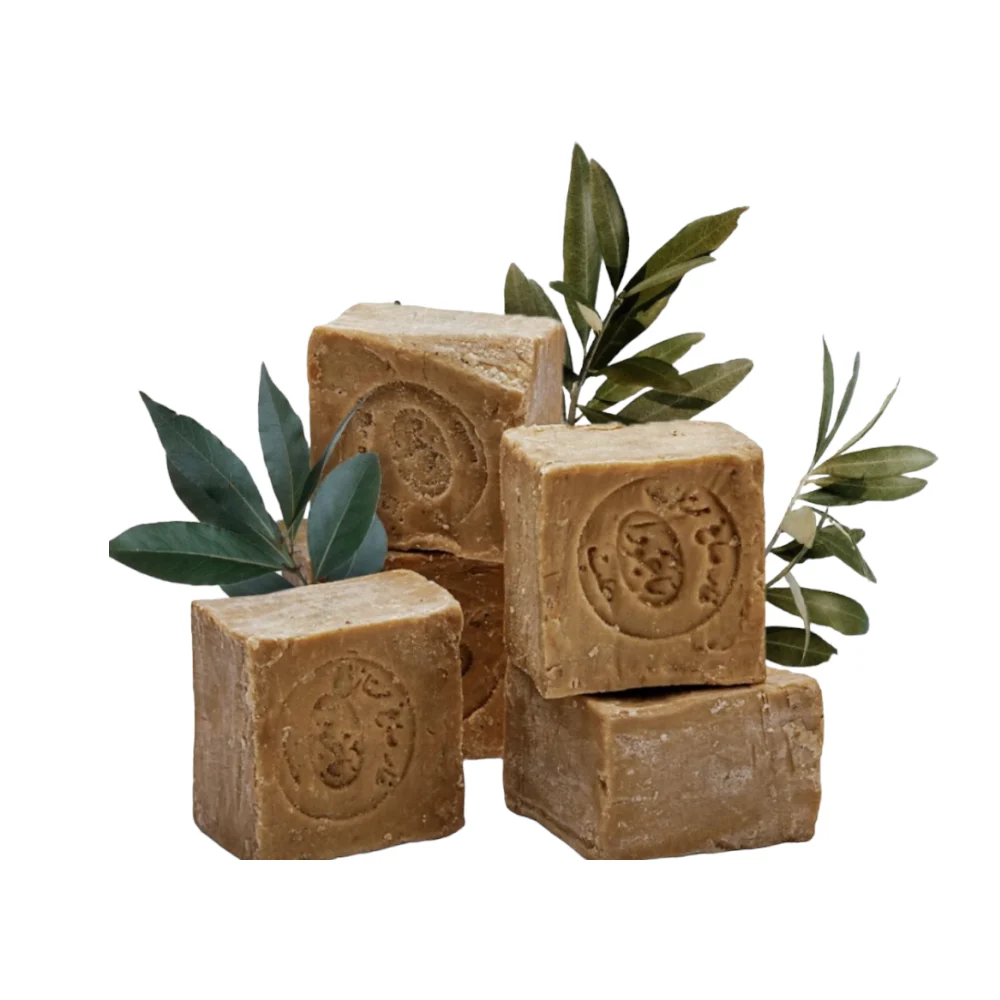
Aleppo soap is the most famous product of the city by a wide margin, and the oldest hard soap in the world; soap-making travelled from here to Europe with the Crusaders. It is made from olive oil and laurel oil alone, cooked in large copper vats, then cut, stamped and left to cure for between six months and a year, until it is golden brown on the outside and green within. Aleppo soap houses such as al-Jubaili and al-Zanabili still work in the same traditional way.
Aleppo Pistachios
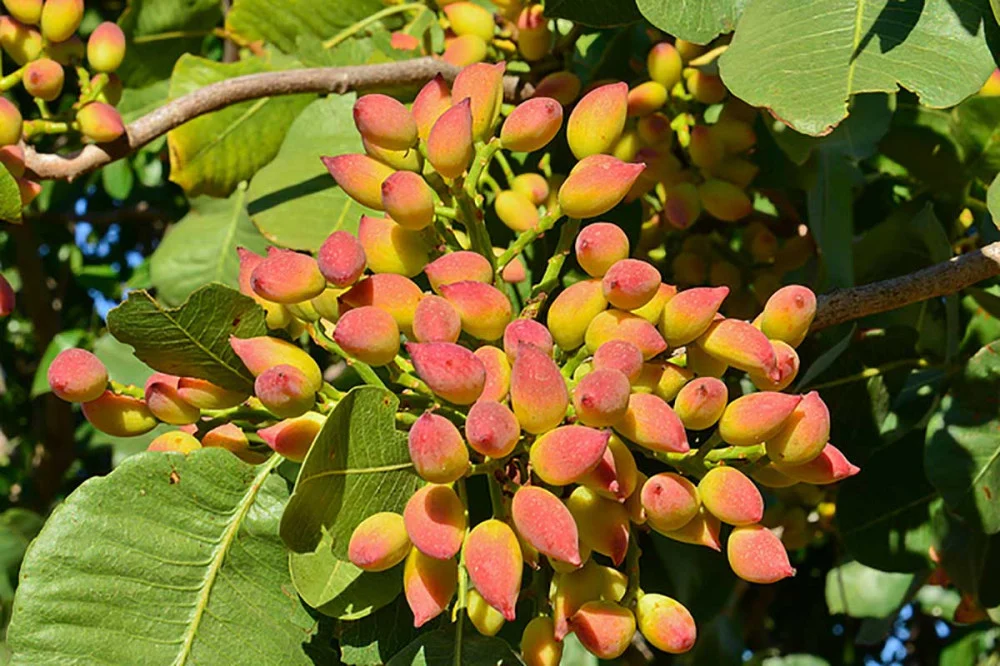
The pistachio carried Aleppo’s name around the world — in Arabic it is simply the Aleppo nut — and the Mourek area and the southern Aleppo countryside are known for growing it. Pistachio goes into most of the city’s sweets: baklava, karabij, cheese halawa and mabroumeh.
Aleppine Cuisine: The Richest in the Levant
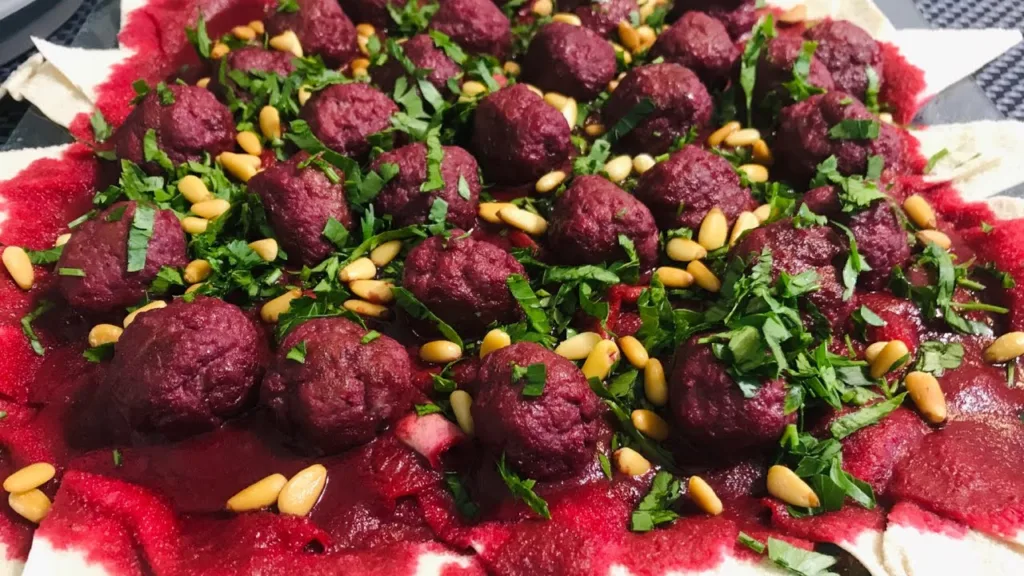
Aleppine cooking is reckoned the richest in the Levant, shaped by the Turkish, Armenian and Arab kitchens. Aleppo is known for:
- Aleppo kebab: in several forms, including cherry kebab, khashkhash kebab, pistachio kebab and kebab with tomato.
- Kibbeh: Aleppo is the capital of kibbeh, with more than twenty kinds — quince kibbeh, kibbeh labaniyeh, kibbeh sumaqiyeh, grilled kibbeh and raw kibbeh.
- Muhammara: a paste of red pepper, walnuts and pomegranate molasses.
- Aleppo pepper and Aleppo zaatar: among the best known of the Syrian spices sent abroad.
- Sweets: karabij with natef, mabroumeh, cheese halawa, Aleppine baklava and shuaybiyat.
Qudud and Muwashshahat
Aleppo is the capital of classical Arab song. The muwashshah and the Aleppine qadd both came out of this city, and both are on the UNESCO list of intangible cultural heritage. Aleppo is tied to the names of singers such as Sabah Fakhri, Bakri al-Kurdi and Sabri Moudallal, and evenings of this music are still held in the old houses and the cafes of the city — several of which appear in our guide to the best cafes in Aleppo.
Other Quarters and Landmarks
Aleppo is known for the Christian quarter of al-Jdeideh, with its stone houses and churches and the Achiqbash and Ghazaleh mansions; for the Church of the Forty Martyrs; for its public garden; and for the Aleppo National Museum, which holds the finds from Ebla, Mari and Tell Halaf and is one of the collections in our guide to the museums of Syria. On the edges of the city stand the Church of Saint Simeon Stylites and the Dead Cities, which are on the World Heritage list.
Tips for Visiting Aleppo, Syria
- Start at the citadel in the morning, then come down to the souks and the Umayyad Mosque.
- Eat kebab in the restaurants of al-Jdeideh or al-Aziziyah, and try an Aleppine breakfast of fuul and eggs with qawarma.
- Buy soap straight from the old soap houses, so you know what you are getting.
- Go to an evening of Aleppine qudud in one of the heritage houses.
Frequently Asked Questions About Aleppo
What is Aleppo famous for?
Aleppo is famous for its historic citadel, its covered souks, Aleppo soap, Aleppo pistachios, kebab, kibbeh and the Aleppine qudud.
Why is Aleppo called al-Shahbaa?
The name is said to come from the greyish white colour of its stone, and popular tradition holds that the Prophet Abraham used to milk his grey cow on the citadel mound and hand out the milk to the poor.